Shabila: A Casual Handwritten Font for Authentic Branding
I was staring at the blank slate, the brand board for a new boutique bakery client, feeling that familiar tug between polished and personal. The mood board was full of warm textures, soft colors, and imagery of handcrafted pastries. But the type choices on my shortlist—a clean sans-serif and a classic serif—felt a bit too… corporate. They needed something that whispered "homemade" and "welcoming," not shouted it. That's when I pulled Shabila into the project file for a test.
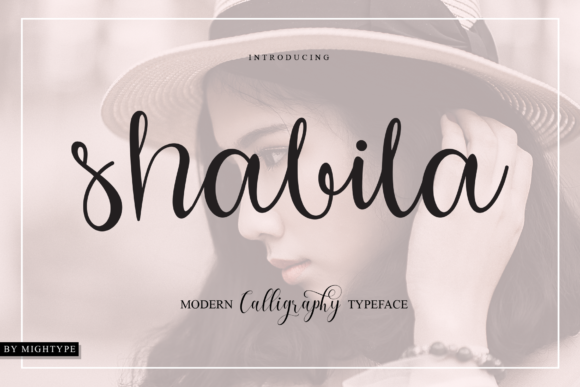
As soon as I typed out a potential business name, "The Daily Crumb," in Shabila, the board clicked. Its letters weren't perfectly uniform; they had a genuine, slightly uneven flow that felt like someone had quickly, lovingly written it on a chalkboard or a label. That was the hook. This script handwritten font wasn't trying to be fancy or overly ornate. It was casual, approachable, and instantly added a human touch to the digital canvas. It gave the brand a voice before we'd even written a single line of copy.
Testing Shabila Font in Real Brand Identity Applications
The true test of any font is how it performs across the entire identity system, not just a single logo sketch. So I started placing Shabila everywhere. On a minimalist packaging mockup for a cookie box, it looked charming and legible at the size needed for a product name. On a website header mockup, it created a warm and inviting first impression without sacrificing clarity on desktop and mobile views. When I used it for accent text on a business card—perhaps for the baker's title—it paired beautifully with a simple sans-serif for the contact details, creating a clear visual hierarchy. In social media layout templates, Shabila for post headlines gave each graphic a cohesive, branded feel that stood out against more generic feeds.
Its "cute and authentic" description is accurate, but I'd stress the authenticity more. The charm comes from its real-feeling imperfections, not from being overly stylized. This makes it versatile for projects that need to feel trustworthy and handcrafted, like a local café's menu board, a creative studio's logo, or a skincare brand's product labels. It adds that unique twist by infusing personality without resorting to cliché.
Shabila for Logo Design and Display Typography
In logo design, Shabila shines as a primary or secondary script font. It's strong enough to carry a whole logotype for a business with a personal, artisanal, or creative vibe. Think of a handmade pottery shop, a family-run restaurant, or a children's activity brand. However, its casual feel means it's likely not suitable for law firms, financial institutions, or highly technical corporate brands where formality and extreme clarity are paramount. For those projects, it's best used sparingly, if at all.
As a display font, it's excellent for headlines, posters, flyers, and hero sections on websites. You can use it at larger sizes to make a bold, friendly statement. Its readability is good at these scales, but I'd caution against using it for long body text paragraphs or tiny footers. The handwritten nature means extended reading in small sizes could become tiring for the viewer. It's a specialty player, not a utility one.
Pairing Shabila with Other Fonts in a Brand System
A successful brand identity rarely uses just one typeface. To build a robust system, you need supporting fonts. Shabila pairs exceptionally well with clean, neutral counterparts. A simple, geometric sans-serif font (like those used for body text on websites or detailed information on packaging) provides a stable foundation that lets the handwritten style pop as an accent. A sturdy serif font can also work, adding a touch of classic elegance that balances the casual script. The key is to let Shabila be the personality driver, and use more structured fonts for all the necessary, readable supporting text. This pairing strategy ensures consistency and professionalism across all design assets.
Where Shabila Font Excels and Where to Use Caution
After testing it across branding applications, I've found Shabila excels in projects that value emotion and connection over cold precision. Its strengths are in logo design for personal businesses, packaging design for artisan goods, social media graphics aiming for an engaged community feel, and editorial design for lifestyle publications or blogs where headings need warmth.
Use caution, however, in formal commercial design where tone is serious, or in any context requiring extensive small-print text. Also, always test Shabila on actual mockups before finalizing client work. View it on a physical packaging label proof, a mobile screen, and a printed card. Check how its unique characters and ligatures render in your specific software and output formats. This practical step prevents surprises in production.
Practical Considerations for Using the Shabila Font
When considering Shabila for a project, think about its technical fit. Does it include the alternates, ligatures, or language support your project needs? Verify its file formats and webfont availability if you're planning to use it online. Most importantly, always review the commercial font licensing terms. If you're using it for a client's brand identity, permanent packaging, merchandise, or digital products, you must ensure your license covers that usage. This is a fundamental step for professional graphic designers and protects both you and your client.
Ultimately, Shabila is a tool for adding genuine character. It's not a font for every project, but for the right project—one that aims to feel cute and authentic, handwritten, and personally crafted—it can be the element that transforms a standard visual identity into something with a memorable, human heartbeat. It turns a design idea into a relatable brand story.